
Condition
Acupuncture for Pain Near Indian Trail — Beyond Symptom Masking
Acupuncture for back pain, neck pain & nerve pain near Indian Trail. Susanna Yeung treats stagnation with TCM, cupping & gua sha — NCCAOM certified.
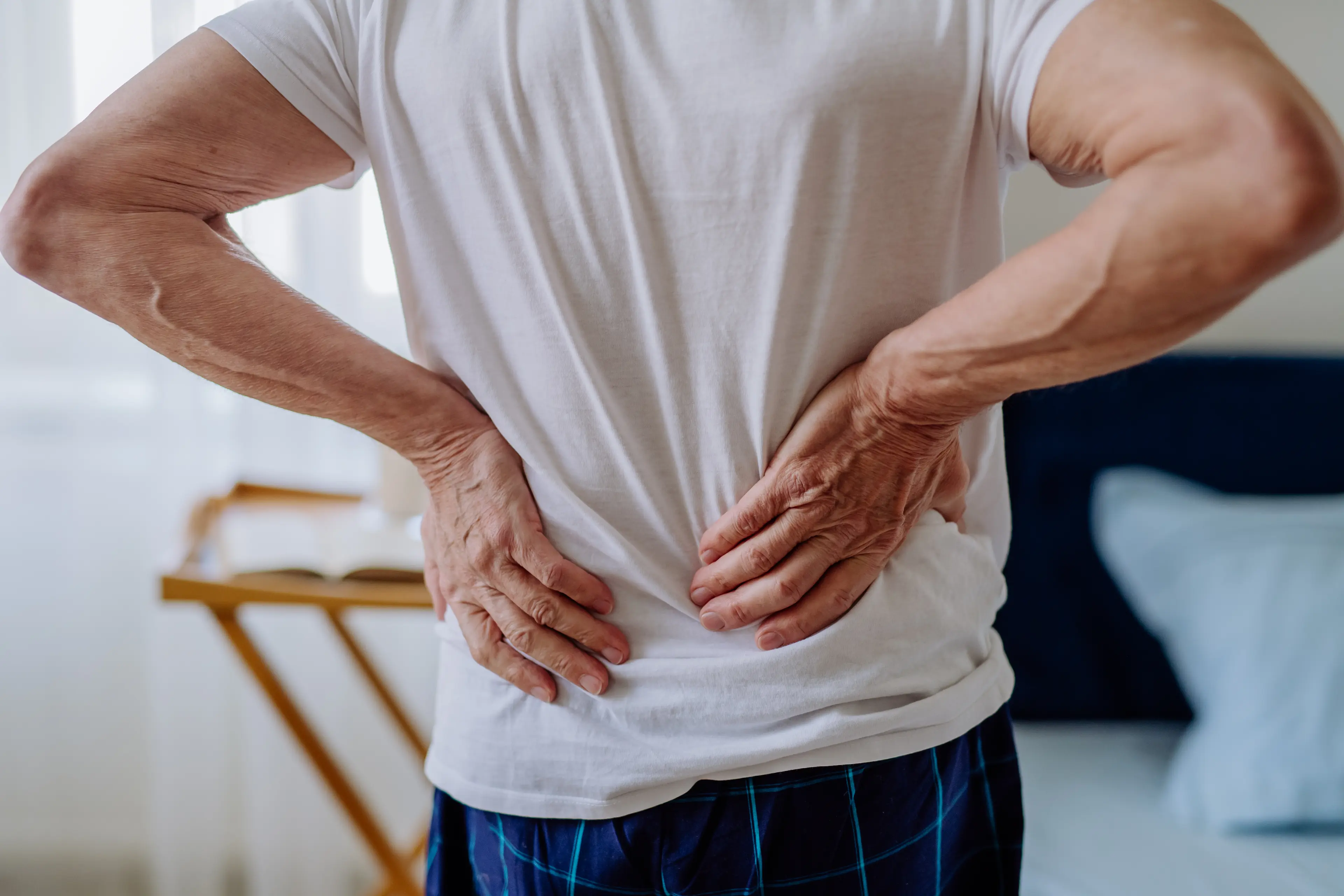
Pain is how many Indian Trail and Union County residents first discover acupuncture — after physical therapy plateaus, imaging shows nothing operable, or daily NSAIDs threaten gastric lining. Searches for “acupuncture for back pain,” “acupuncture for neck pain,” and “acupuncture near me” spike among Monroe manufacturing workers, Matthews I-485 commuters, Concord patients (~110 monthly searches for local acupuncture), and Ballantyne professionals carrying desk-bound shoulders. Traditional Chinese Medicine interprets pain as stagnation: Qi and Blood failing to move smoothly through meridians and tissues, sometimes complicated by Cold-Damp, Heat toxicity after injury, or Kidney deficiency failing to nourish lumbar structures.
Modern neurophysiology helps explain acupuncture analgesia: needle stimulation modulates central nervous system pain gateways, promotes endogenous opioid release, and improves local microcirculation to clear pain-causing metabolites. Susanna’s hospital internship included post-surgical and post-stroke populations where pain intertwined with mobility fear — experience informing gentle pacing with patients carrying years of compensatory muscle guarding.
Treatment combines distal and local points, electro-acupuncture when appropriate, and adjunct cupping or gua sha for fascial release — especially relevant given national demand for “cupping near me” and “gua sha near me.” Chronic low back pain may involve Du and Bladder channel work plus Ashi points; neuropathic thigh pain — as patient testimonials describe resolving after failed injections — may require channel-specific protocols with consistent weekly cadence early. Susanna never promises opioid-level suppression for structural catastrophe, but she excels where pain is functional, inflammatory, or neuropathic-within-normal-imaging — the vast middle ground conventional medicine struggles to name.
NCCAOM certification and lineage needle technique under Dr. Shao Jie Zhang ensure depth and angle precision that novice needling cannot replicate — a clinical reality pain patients feel within the first few sessions when guarded skepticism softens into scheduled return visits.
Common patterns we assess
- Chronic low back, neck, or shoulder pain
- Joint stiffness — knee, hip, shoulder, or hands
- Nerve pain, burning, or numbness in limbs
- Post-injury or post-surgical pain within rehabilitation
- Headache and migraine overlapping with cervical tension
- Muscle spasm and reduced range of motion from repetitive work or commuting
Susanna's approach
- Differentiate Blood stasis, Cold-Damp, Heat, and Deficiency patterns driving pain
- Combine local and distal acupuncture with optional cupping or gua sha
- Progress session frequency from intensive to maintenance as pain charts improve
- Address sleep and stress contributors that amplify pain perception
- Coordinate with physical therapy, orthopedics, and imaging when patients consent
- Minimize pharmaceutical escalation when safe and medically appropriate
Frequently asked questions
How quickly does acupuncture relieve pain?
Some patients notice shift after one session; chronic patterns typically need a series. Susanna outlines realistic timelines after your first evaluation.
Can acupuncture help if my MRI was normal?
Yes. Normal imaging with persistent pain is common — often involving myofascial, neuropathic, or central sensitization patterns TCM addresses effectively.
Will Susanna stop my pain medications?
Never without your prescribing physician's involvement. Acupuncture may reduce pain enough to discuss medication adjustments with your doctor over time.
Do you combine cupping with pain acupuncture?
Often yes when fascial stagnation dominates the back or shoulders. Cupping and gua sha are used only when diagnosis supports them — not as automatic add-ons.