2026-11-29 · 5 min read · By Susanna Yeung
Restore Your Upper Body After Hosting
Holiday hosting can leave your body feeling almost as busy as your home. Cooking, carrying grocery bags, setting tables, cleaning up, traveling, and leaning over counters can add up quickly, especially when you are doing it all over several days.
By the time guests head home, you may notice tired shoulders, a stiff neck, aching upper back muscles, or arms that feel worn out. Reaching into cabinets, lifting pans, standing at the sink, and looking down at recipes or your phone can all leave muscles feeling fatigued. At our Indian Trail practice, we may recommend cupping as one Traditional Chinese Medicine option to support relaxation and whole-body wellness after a demanding weekend.
Cupping is not a replacement for medical care when pain is severe, sudden, ongoing, or paired with other concerning symptoms. Still, for some people, it can be a helpful part of an individualized wellness plan focused on easing the sense of upper-body tightness.
Why Hosting Can Leave You Feeling Tight
A holiday meal is rarely just one meal. It may involve multiple grocery trips, hours of preparation, decorating, washing dishes, moving furniture, and getting a guest room ready. Each task may feel small on its own, but repetitive movements can put extra demands on the shoulders, upper back, neck, and arms.
Common hosting activities that may contribute to muscle fatigue include:
- Chopping, stirring, mixing, and lifting cookware
- Carrying grocery bags or unloading the car
- Reaching into high cabinets or bending into low drawers
- Washing dishes and wiping counters for long periods
- Driving or sitting during holiday travel
Posture plays a role, too. Leaning forward over a kitchen counter can encourage the shoulders to round. Looking down at a phone while checking a recipe or answering messages may leave the neck feeling restricted. Even relaxing on the couch after a long day can feel uncomfortable if your upper body has been working hard from morning to night.
Stress can add another layer. When you are managing meal timing, family schedules, shopping, travel, and seasonal expectations, it is easy to overlook basic needs such as rest, hydration, movement, and quiet time. The body may finally start to feel tense once everything slows down.
Early December can be a good time to check in with yourself before the next round of gatherings and responsibilities arrives. A feeling of heaviness through the shoulders, fatigue after simple chores, discomfort when turning your head, or trouble winding down at night can all be signs that your body may need more support.
How Cupping May Support Post-Hosting Recovery
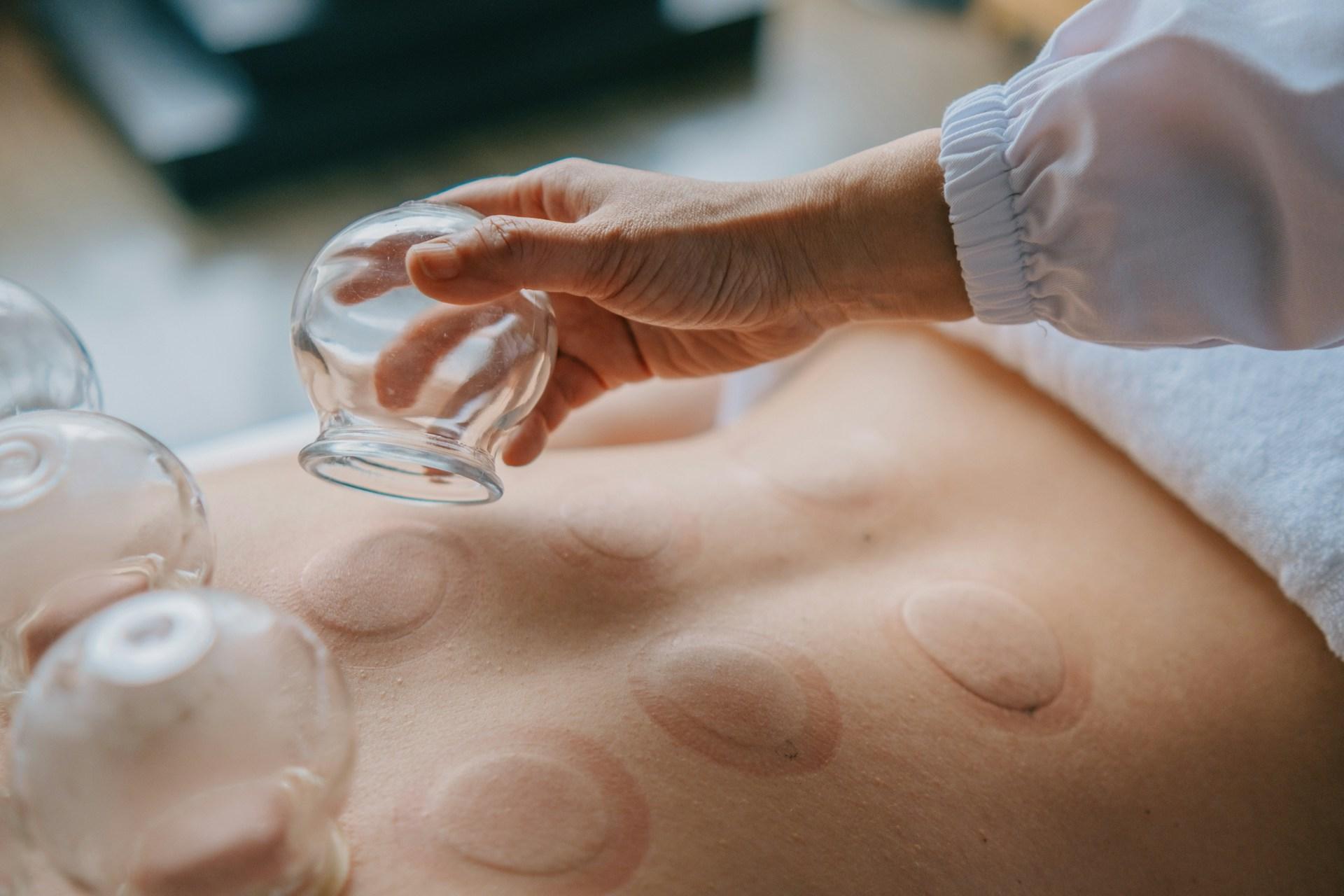
Cupping is a Traditional Chinese Medicine technique in which we place cups on selected areas of the body to create gentle suction. In Traditional Chinese Medicine, cupping is often used to encourage circulation and help ease feelings of muscle tightness.
For cupping therapy in Indian Trail, we can consider areas that are often affected after hosting, including the upper back, shoulders, neck, and arms. Susanna Yeung takes time to learn about your current concerns, recent activities, health history, and wellness goals before recommending care.
Some people describe the sensation of cupping as soothing, lifting, or different from the downward pressure of massage. After a session, some people report feeling more relaxed, lighter, or less restricted through the upper body. Experiences vary, and we do not promise a particular result.
Your care plan may include more than one Traditional Chinese Medicine service. Depending on your needs, we may discuss options such as:
- Acupuncture for a personalized wellness approach
- Cupping for areas that feel tight or overworked
- Gua sha as another hands-on Traditional Chinese Medicine technique
- Chinese herbal medicine when appropriate for your individual plan
- Gentle movement, rest, and other supportive wellness habits
Cupping is not right for every person or every concern. Certain skin conditions, bleeding disorders, medications, and other health factors may affect whether it is appropriate. A thoughtful consultation helps us decide whether cupping fits your needs and whether another approach may be better suited to your situation.
What to Expect During a Cupping Appointment
Your appointment starts with a conversation, not a rush into treatment. We will talk about what has been going on in your upper body, including recent hosting tasks, travel, sleep, stress, and the kinds of movements that seem to make discomfort more noticeable. This discussion helps us create a plan that reflects you, rather than treating every sore shoulder the same way.
When cupping is part of your care, cups may be placed on targeted areas, such as the upper back and shoulders, for a brief period. The feeling is often described as pulling or lifting. It should not feel like you have to simply tolerate discomfort, so we encourage you to communicate with us throughout the session.
One thing to plan for is the appearance of temporary circular marks. Cupping can leave red, purple, or darker circles that may remain visible for several days or longer, depending on the individual. These marks are not typically painful bruises, but they can be noticeable. If you have a special event coming up or would rather keep the area covered, it is helpful to mention that before treatment.
Aftercare is usually simple, but we will tailor guidance to your visit. We may encourage you to:
- Drink water and give your body time to settle
- Stay warm after treatment
- Avoid intense activity if we advise it
- Rest when possible, especially after a demanding week
- Ask questions about any changes you notice afterward
Feeling informed can make the experience more comfortable. Before treatment begins, we want you to understand what we are recommending, why it may be helpful, and what you can reasonably expect.
Make Time for December Wellness Support
Post-hosting recovery does not have to wait until the season is over. Taking notice of shoulder, neck, and upper-back tension now may help you feel better supported as December brings more shopping, travel, gatherings, and year-end tasks. Cupping may fit into a seasonal wellness routine alongside regular hydration, mindful movement, rest, and stress-management practices.
Rather than pushing through every ache, pay attention to the messages your body is sending. A personalized Traditional Chinese Medicine plan may help you make room for recovery while the holiday season is still in motion.
Support a More Comfortable Recovery
At Superior Traditional Acupuncture, we tailor care to the tension patterns and recovery needs affecting your daily comfort. Learn whether cupping therapy in Indian Trail may be a helpful addition to your wellness plan. To discuss your concerns and next steps, contact us today.