2026-09-23 · 5 min read · By Susanna Yeung
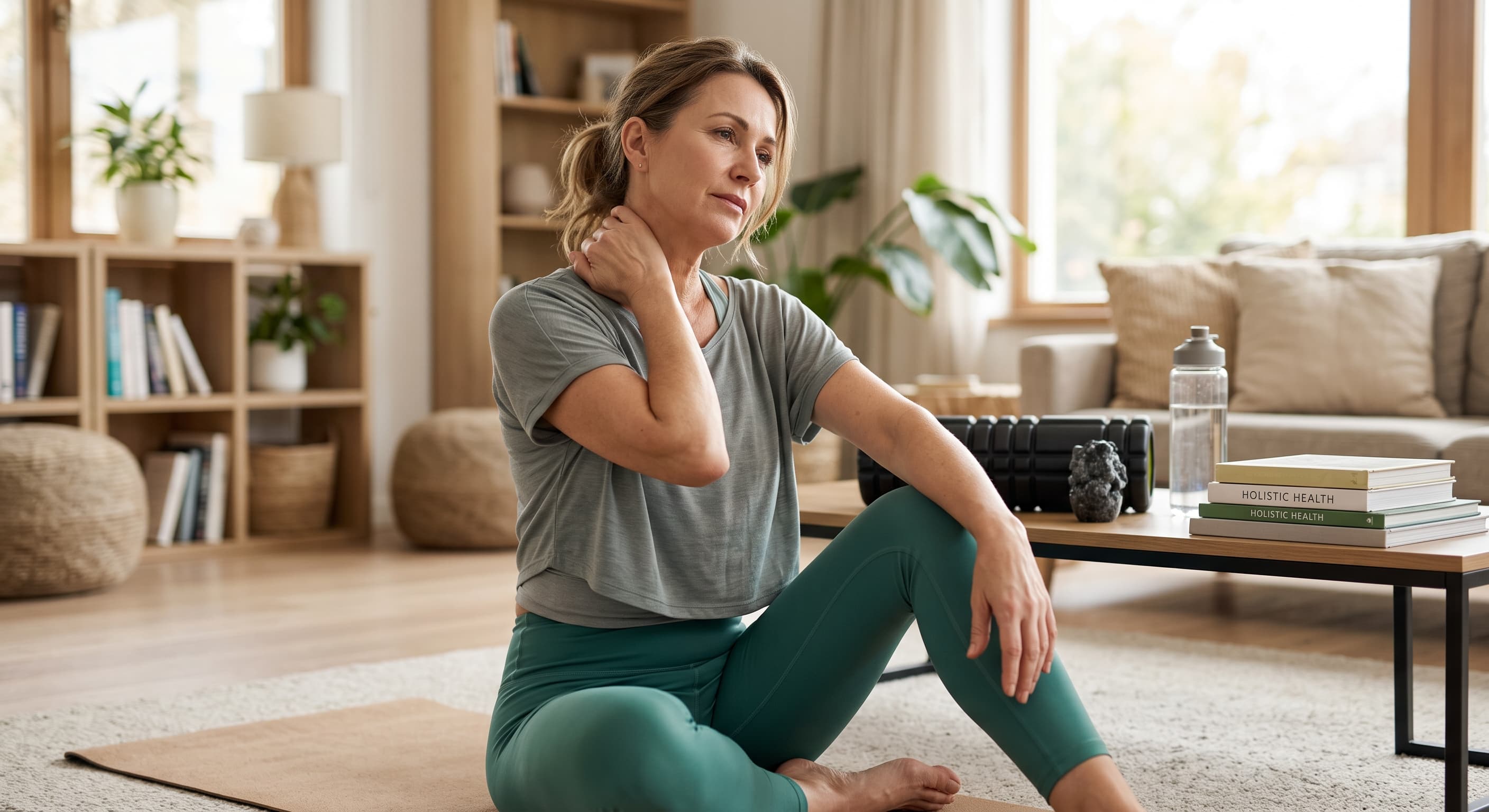
Persistent muscle pain can make ordinary days feel harder than they should. Tight shoulders may interrupt your workday, a sore back can disturb sleep, and stiff hips or legs may take the fun out of exercise and everyday movement. If stretching, rest, massage, or over-the-counter options have brought only short-term relief, recurring discomfort can be frustrating.
At Superior Traditional Acupuncture, we offer acupuncture and cupping as Traditional Chinese Medicine therapies that may support whole-body wellness and pain management. Because no two bodies or pain patterns are alike, we consider your symptoms, health history, goals, and comfort level when discussing a care plan.
Why Persistent Muscle Pain Deserves a Thoughtful Plan
Muscle discomfort can linger for many reasons. Overuse, repetitive work movements, old injuries, stress, posture habits, limited mobility, and poor recovery can all play a part. Pain may feel focused in one spot, such as your neck, shoulders, back, hips, or legs, even when several factors are contributing to the tension.
Early fall can bring added strain, too. Cooler mornings, yardwork, school and sports schedules, and a return to regular fitness routines may challenge muscles that have not fully recovered. Paying attention to patterns can help us better understand what is going on. Notice whether discomfort tends to worsen after certain activities, sitting positions, lifting tasks, or workouts.
A personalized assessment is more helpful than assuming every sore muscle needs the same kind of care. We also encourage prompt medical evaluation for severe pain after an injury, unexplained weakness, numbness, fever, swelling, or changes in bladder or bowel function.
How Acupuncture May Support Comfort and Mobility
Acupuncture involves the placement of very thin, sterile needles at selected points on the body. During treatment, Susanna Yeung may choose points near an uncomfortable area as well as points elsewhere that support relaxation, circulation, and whole-body balance.
Many people seek acupuncture for pain relief when they are dealing with recurring muscle tension, stiffness, movement discomfort, or stress-related tightness. Results vary from person to person, but acupuncture may be a helpful part of a broader plan for supporting comfort, mobility, and a greater sense of physical ease.
Before treatment, we can talk through the details that matter to you, including:
- Where and when your discomfort began
- Activities, work habits, or stress that seem connected to it
- Your health history and wellness goals
- Treatment sensations and any concerns you may have
During an acupuncture visit, you can generally rest comfortably while we focus on your individualized treatment plan. We may also discuss supportive care between visits, such as hydration, gentle movement, or other practical ways to be mindful of your body.
How Cupping Can Support Tight, Overworked Muscles
Cupping uses specialized cups to create gentle suction on the skin. We may use this technique over areas that feel especially tight or overworked, including the upper back, shoulders, neck, hips, and legs. The exact placement and approach depend on your needs and what feels appropriate for your care.
The sensation is often described as a broad pulling or lifting feeling. Some people compare it to the release they hope to feel from deep tissue massage, but cupping does not rely only on direct downward pressure. That can make it appealing when muscles feel dense, heavy, or restricted.
Cupping can leave temporary circular marks that range in color and may remain visible for several days. These marks can look dramatic, so it is wise to mention any upcoming events before treatment. We also want to know about medications, skin sensitivities, bleeding concerns, and other health factors that may affect whether cupping is a suitable choice for you.
Choosing Acupuncture, Cupping, or Both
Acupuncture may be a good discussion point when discomfort feels connected to more than one muscle group or comes with stress-related tension, sleep disruption, or recurring stiffness. Cupping may be considered when a particular area feels tight, heavy, or limited after activity. Neither option has to be an all-or-nothing choice.
When appropriate, we may combine therapies as part of an individualized Traditional Chinese Medicine plan. Depending on your needs, that plan may include:
- Acupuncture for pain relief and whole-body support
- Cupping for focused areas of muscle tension
- Chinese herbal medicine
- Gua sha
- Thoughtful self-care guidance between visits
Questions are welcome at every stage. Understanding treatment sensations, expected aftereffects, timing, and the number of visits that may be suggested can help you feel more comfortable with your plan.
Start Your Fall Recovery Plan with Support
Muscle pain does not need to wait until it gets in the way of fall activities, family plans, work, or exercise. A thoughtful evaluation with licensed acupuncturist Susanna Yeung can help us consider whether acupuncture, cupping, or an integrated approach may fit your goals for comfort and mobility.
At our Indian Trail practice, we focus on listening carefully and tailoring care to the person in front of us. With the right combination of support, you can take a more informed approach to persistent muscle tension and the daily habits that may be keeping it around.
Explore Options for Lasting Pain Relief
At Superior Traditional Acupuncture, we can help you explore how acupuncture for pain relief may fit into your care plan. Our team will discuss your concerns, goals, and treatment options during a personalized visit. To get started, contact us to schedule an appointment.