
2026-08-12 · 6 min read · By Susanna Yeung
See the Patterns That Can Guide Migraine Care
Migraine attacks can interrupt work, family time, sleep, and the simple plans you hoped to enjoy. Summer heat, busy calendars, dehydration, travel, and changing sleep routines can also make headache patterns feel hard to predict. We find that a headache diary can turn scattered bad days into useful notes about when symptoms show up, what they feel like, and what may be happening around them.
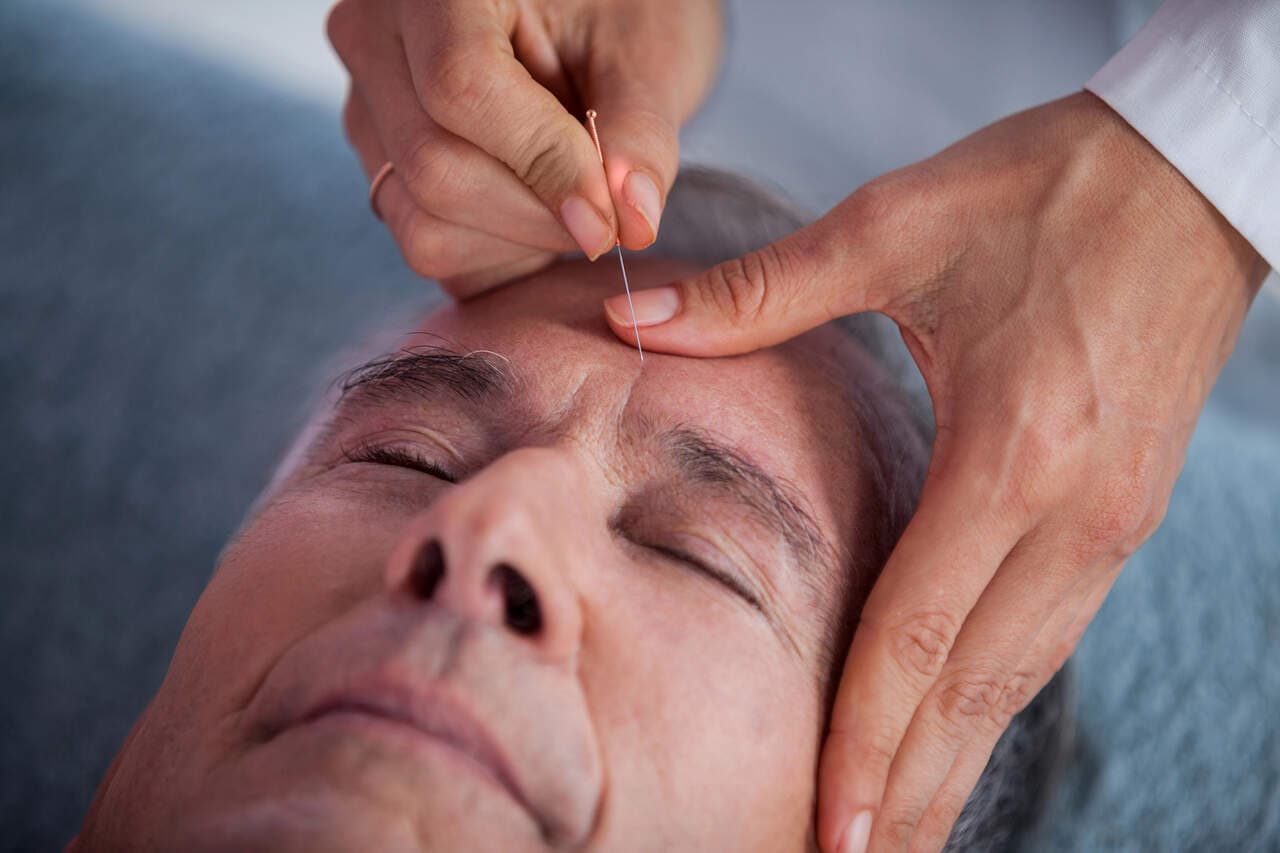
At Superior Traditional Acupuncture, we view acupuncture for migraines as an individualized Traditional Chinese Medicine approach that may support whole-body wellness, tension, stress, sleep concerns, and migraine symptoms. Our care can work alongside your existing medical plan, prescribed medications, and guidance from your primary care provider or neurologist. A diary gives us a clearer starting point for discussing your goals and noticing changes over time.
Build a Headache Diary That Captures Useful Clues
Your diary does not need to be complicated. A notebook, calendar, phone note, or migraine-tracking app can all work well. The best choice is the one you can use consistently, even when a short entry is all you have energy for.
During each migraine episode, we recommend recording details such as:
It can also help to note daily habits and possible triggers without assuming that one factor directly caused the migraine. Sleep quality, skipped meals, water intake, caffeine, alcohol, stress, screen time, weather changes, exercise, travel, menstrual cycle changes, bright light, and strong scents may all be worth noting. Over time, the pattern may be less about one trigger and more about a combination, such as poor sleep followed by a rushed morning and time in the sun.
Include what brought relief, too. Record whether rest, hydration, a meal, medication, ice or heat, gentle movement, relaxation practices, or an acupuncture visit seemed helpful. These observations give us a more complete picture than pain ratings alone.
- The date, start time, and how long symptoms lasted
- Where pain was located, whether it affected one or both sides, and whether it felt throbbing or pressure-like
- Your pain level and how the episode affected your normal activities
- Related symptoms, including nausea, light or sound sensitivity, visual changes, dizziness, neck tension, fatigue, or trouble concentrating
Use Acupuncture for Migraines Alongside Diary Insights
A headache diary can make an acupuncture visit more specific and productive. During an initial visit, Susanna Yeung may ask about the timing of your migraines, pain patterns, sleep, stress, digestion, energy, menstrual health, and neck or shoulder tension. Your notes can help us connect those concerns to the way migraine episodes affect your everyday life.
Acupuncture for migraines is not a one-size-fits-all service. Traditional Chinese Medicine considers your complete symptom pattern and overall health picture. Depending on your needs, we may discuss acupuncture along with Chinese herbal medicine, cupping, or gua sha as part of supportive care. We may also talk through practical wellness habits related to regular meals, hydration, sleep routines, stress management, and pacing a demanding schedule.
Rather than judging progress after one appointment or one difficult headache day, bring your diary to visits over several weeks. Together, we can compare migraine days, pain intensity, associated symptoms, medication use, sleep quality, and your ability to take part in work, family responsibilities, and activities you enjoy.
Track Summer Triggers in Indian Trail
Late summer in Indian Trail and the greater Charlotte area can bring hot temperatures, humidity, outdoor plans, vacations, and shifting back-to-school routines. Moving between outdoor heat and heavily air-conditioned spaces may also change the rhythm of your day. Recording these details can help you see whether seasonal changes appear around your headache days.
On hot-weather days, consider adding a few simple prompts to your diary:
Small prevention-minded habits can support general wellness, including carrying water, eating regular balanced meals, taking shade breaks, wearing sunglasses outdoors, keeping a steadier sleep schedule, and allowing time to recover after a full weekend. Your diary may show whether these habits correspond with fewer or less disruptive episodes.
- How much water you drank and whether you felt overheated
- Time spent in direct sun, at outdoor events, or in a warm car
- Whether errands, travel, or activities delayed a regular meal
- Intense exercise, poor sleep, or recovery time after a busy weekend
- Thunderstorms, barometric pressure shifts, or noticeable indoor temperature changes
Review Progress with Realistic Goals and Safety Checks
Progress looks different for every person. You may first notice fewer migraine days, or you may notice shorter episodes, lower pain intensity, less neck tension, better sleep, reduced stress, or an easier time functioning during a headache. We encourage reviewing a full month of entries so one challenging day does not hide a larger trend.
Bring questions that help shape a collaborative discussion, including:
A headache diary is helpful, but it is not a substitute for medical evaluation. New, sudden, unusually severe, or changing headaches should be evaluated promptly by a medical professional. Seek urgent care for a sudden worst-ever headache, weakness, numbness, confusion, fainting, speech difficulty, fever with neck stiffness, head injury, or significant vision changes. We provide supportive care, not emergency evaluation.
- Which patterns stand out in my diary?
- What treatment goals are realistic for my situation?
- How often might acupuncture visits be helpful?
- Could Chinese herbal medicine be appropriate for my care plan?
- Which daily routine changes may support my goals?
Use Your Diary as a Practical Migraine Tool
Start with just a few details today, such as when symptoms began, how they felt, what you ate and drank, and what seemed to help. Consistent notes can help you feel more prepared to discuss migraine support and more aware of the routines, environments, and stressors that may affect your symptoms.
Regular entries can make it easier to recognize changes in migraine frequency, intensity, and associated symptoms over time. By tracking patterns alongside medical guidance, you can better understand the factors that may influence your daily life and identify information that is useful to share with your healthcare team.
Explore Personalized Migraine Support
At Superior Traditional Acupuncture, we provide individualized care that considers your symptoms, health history, and wellness goals. Discover how acupuncture for migraines may fit into your care plan. If you have questions or would like to discuss your options, please contact us.